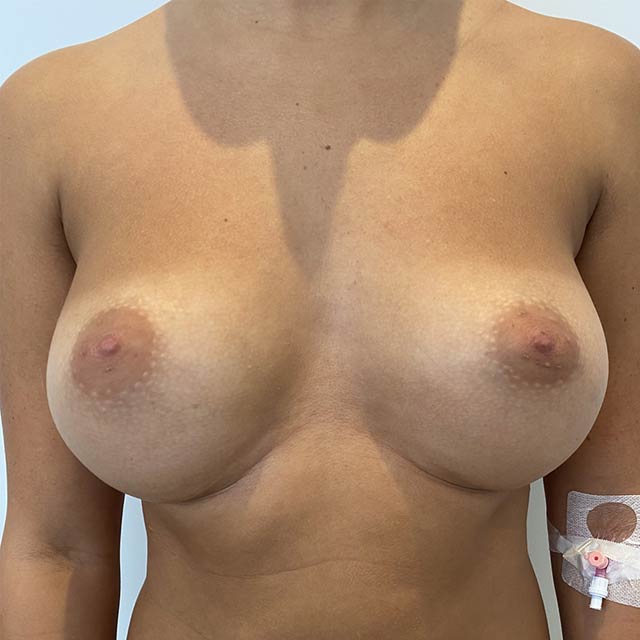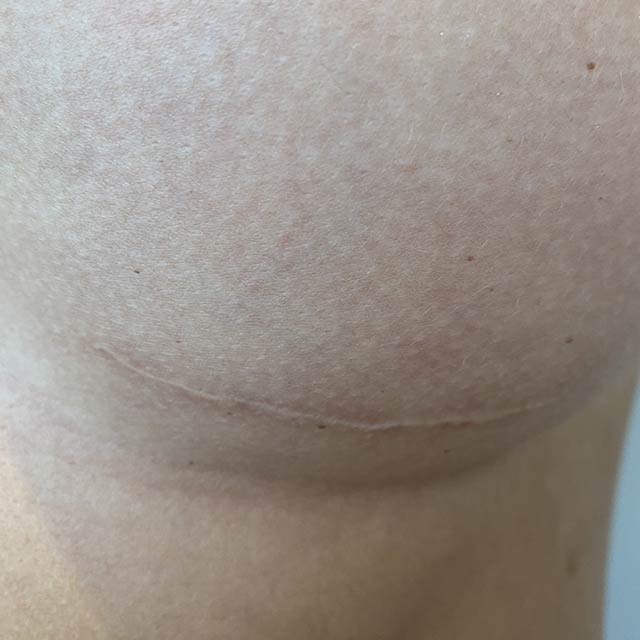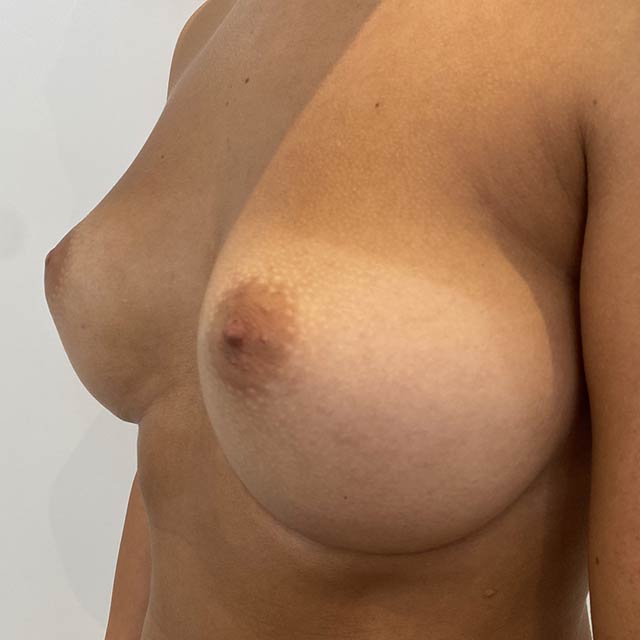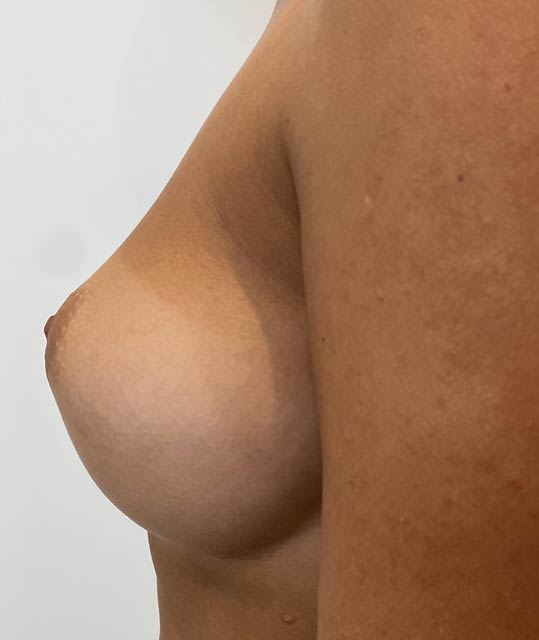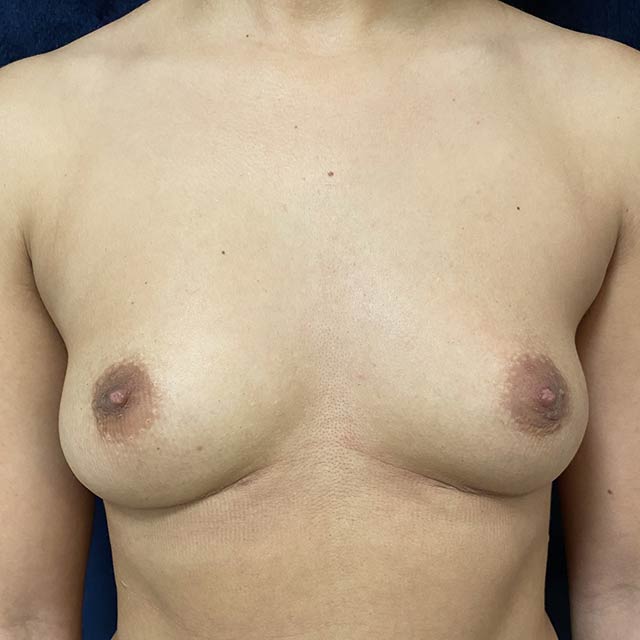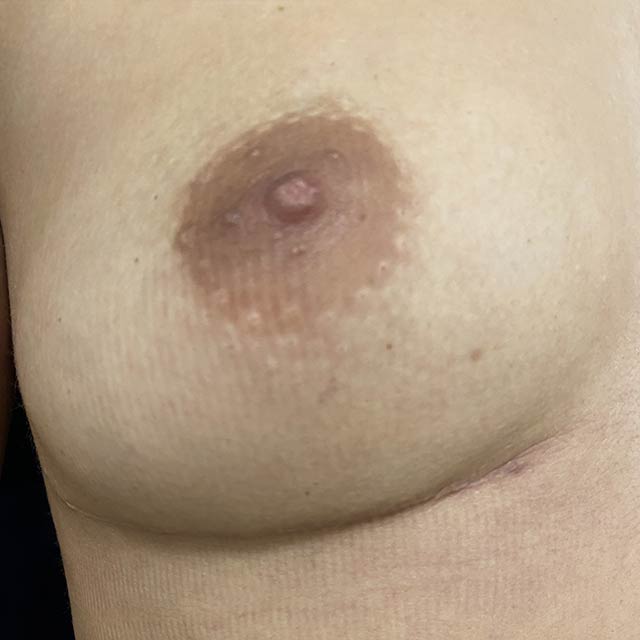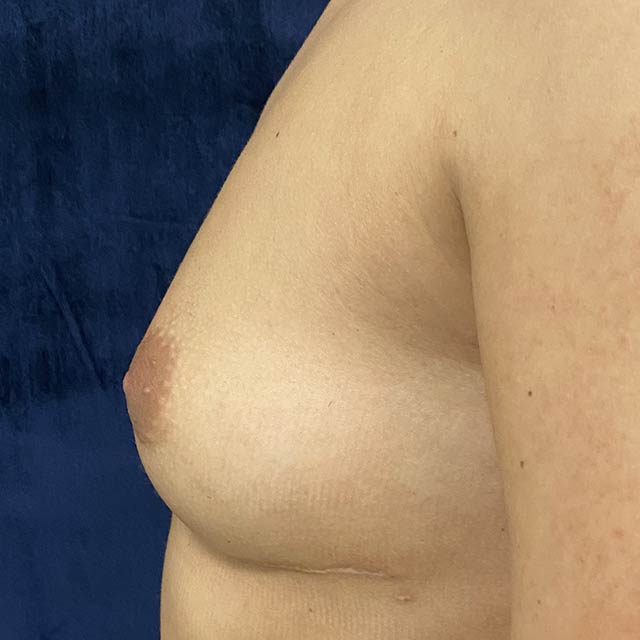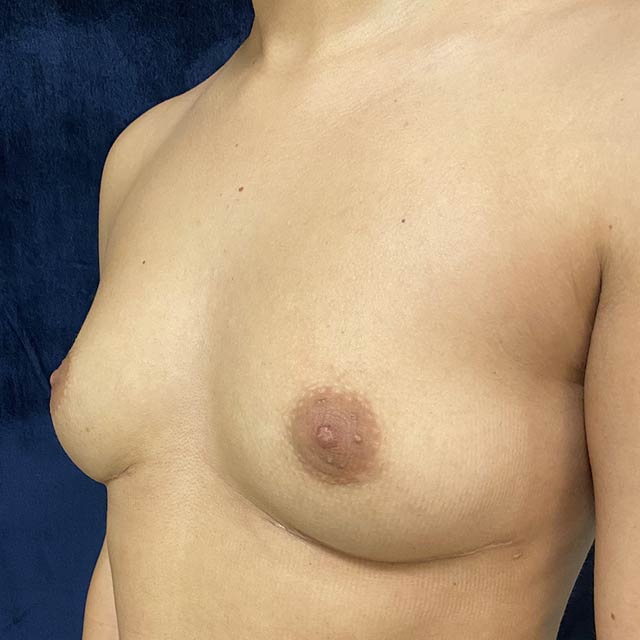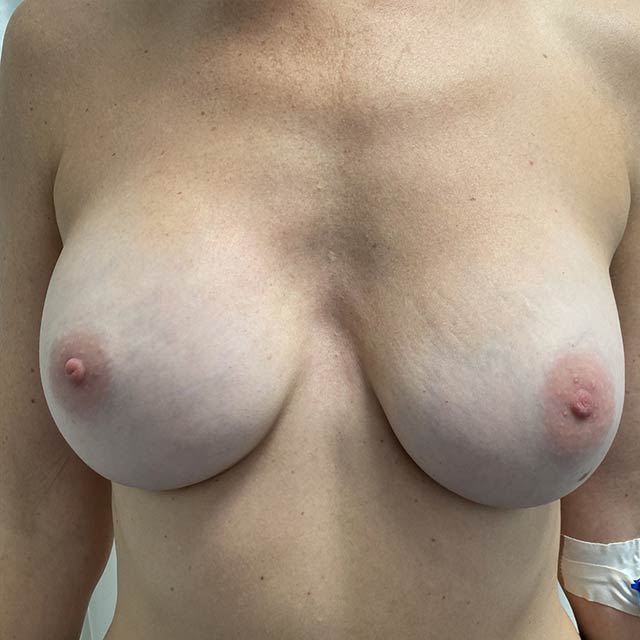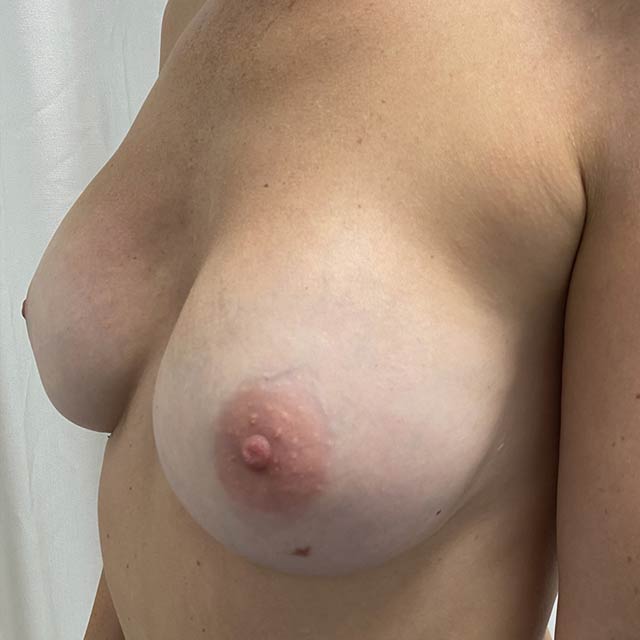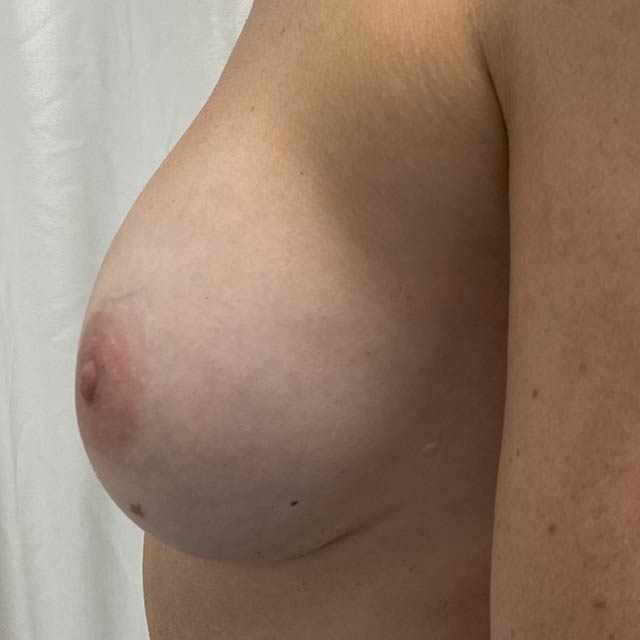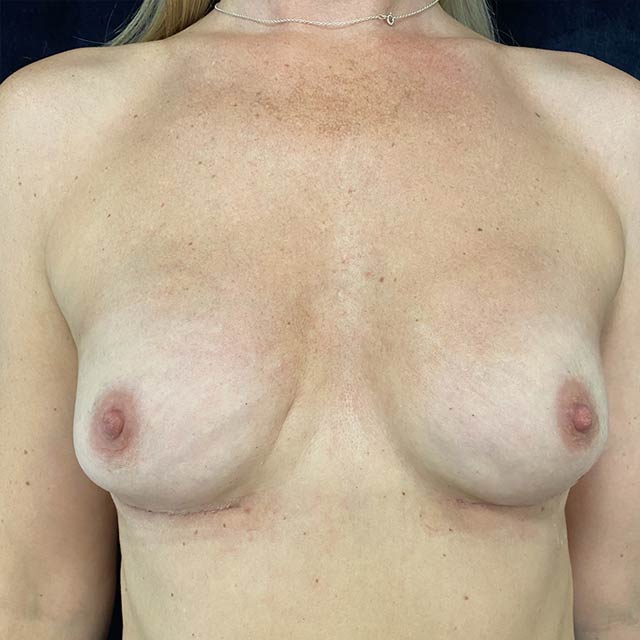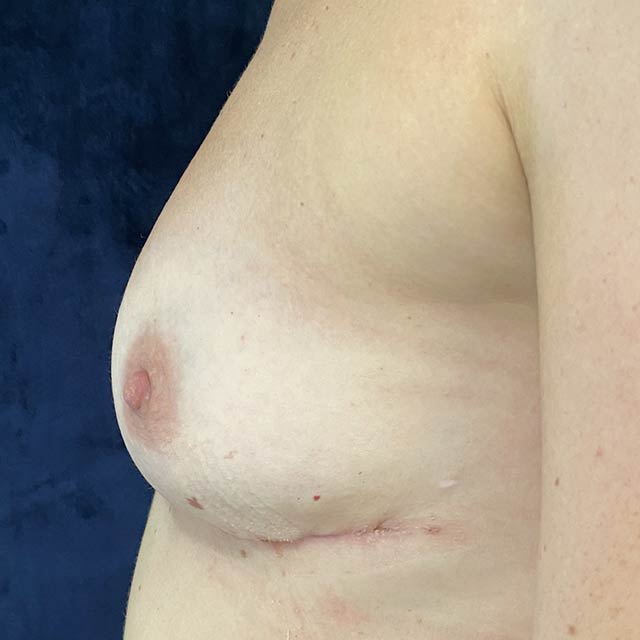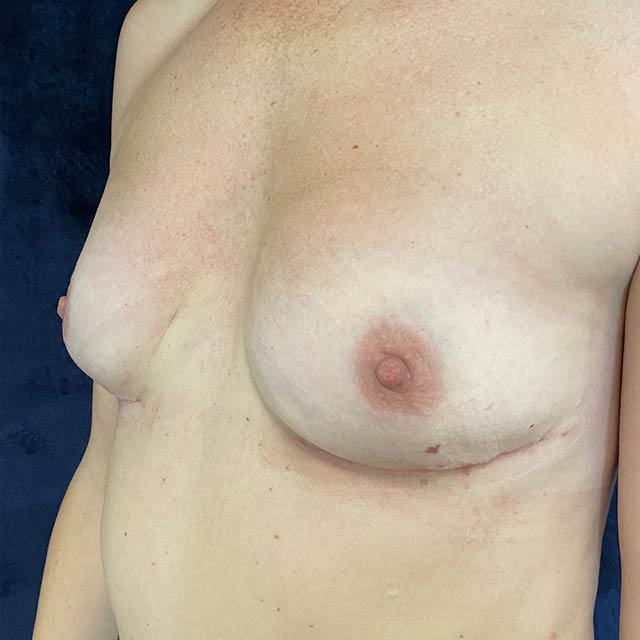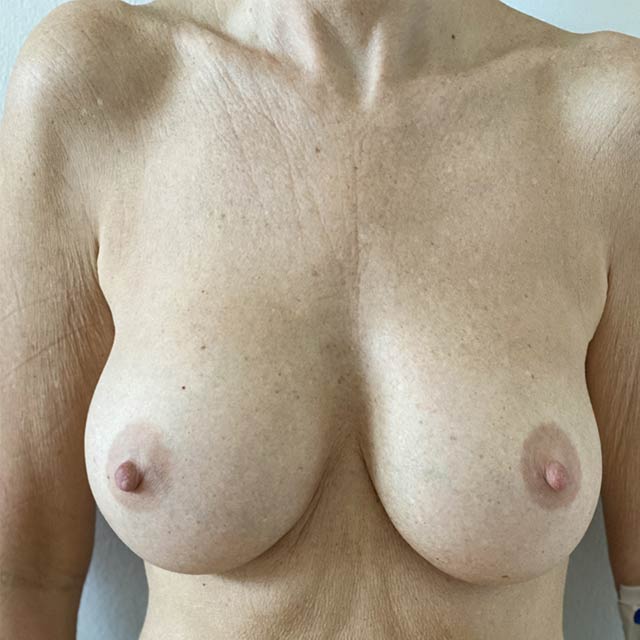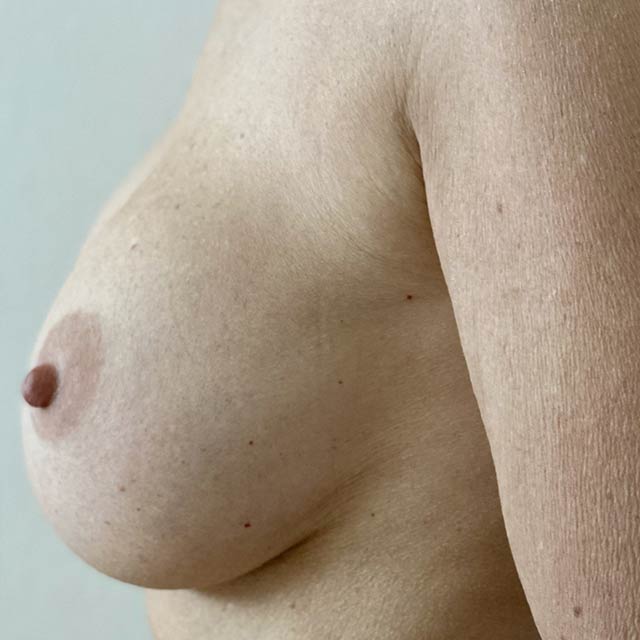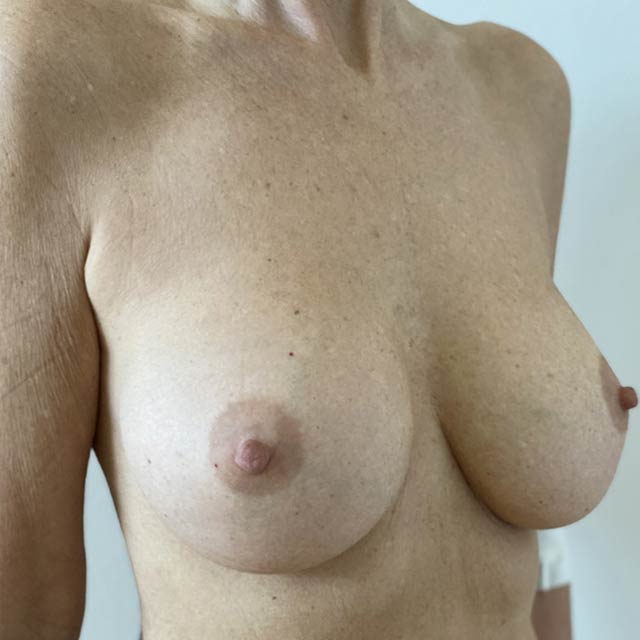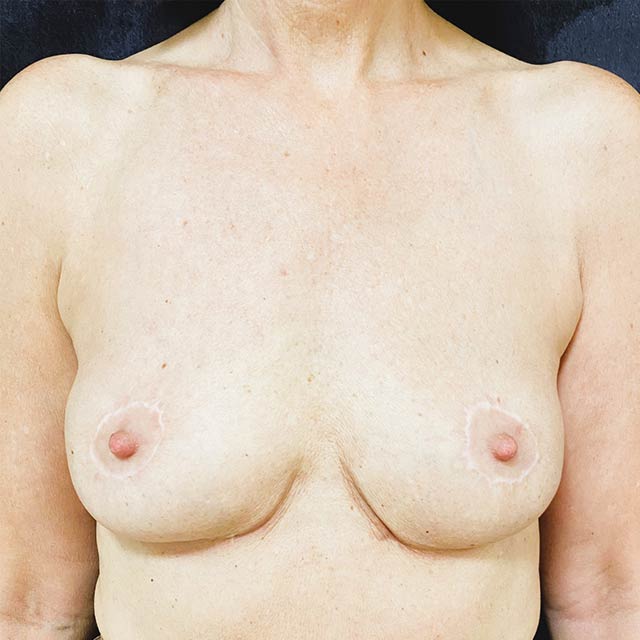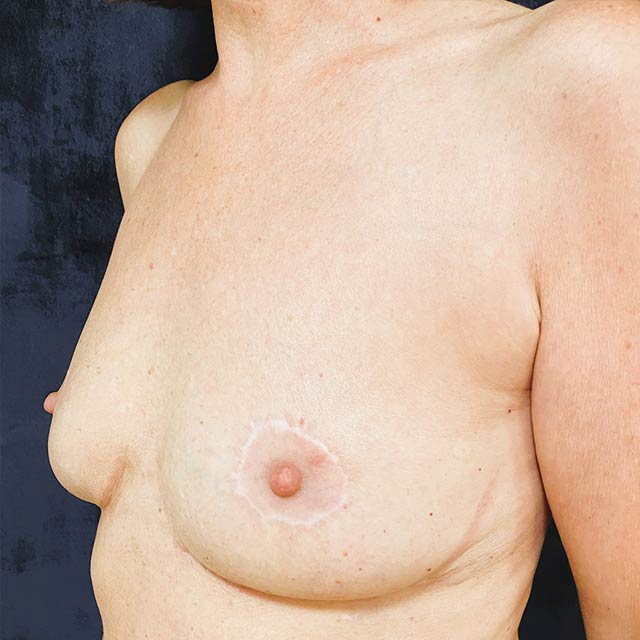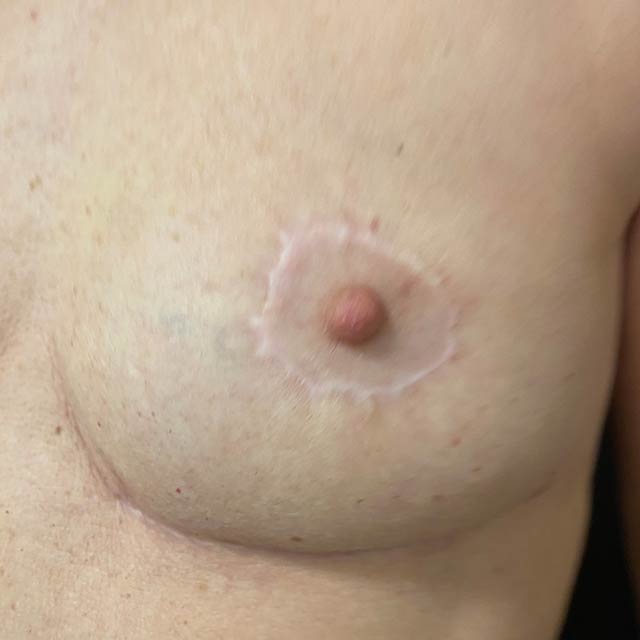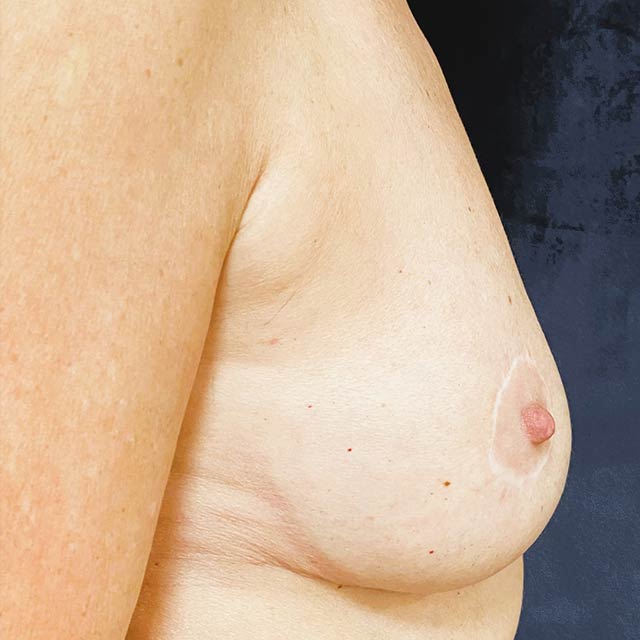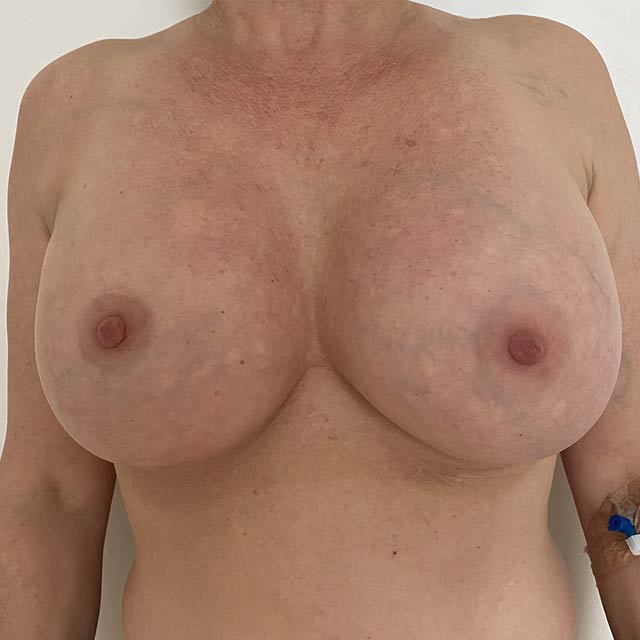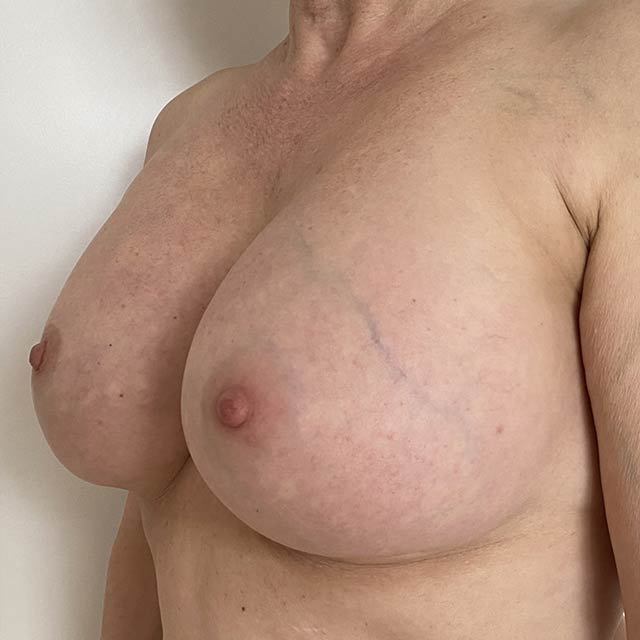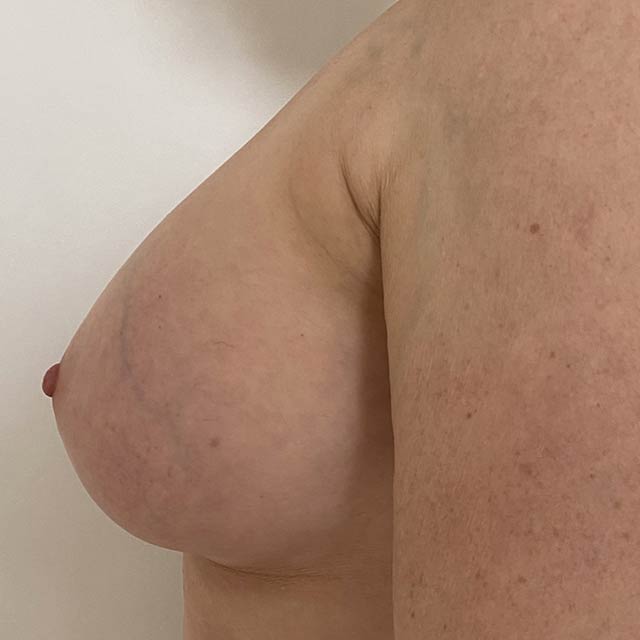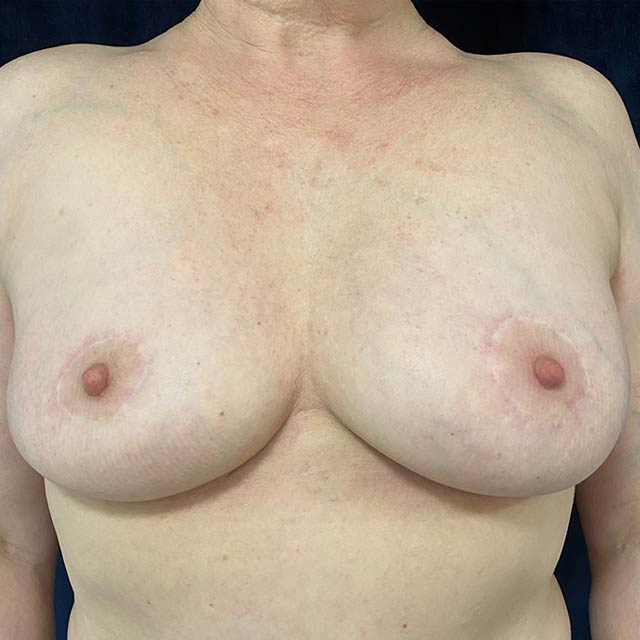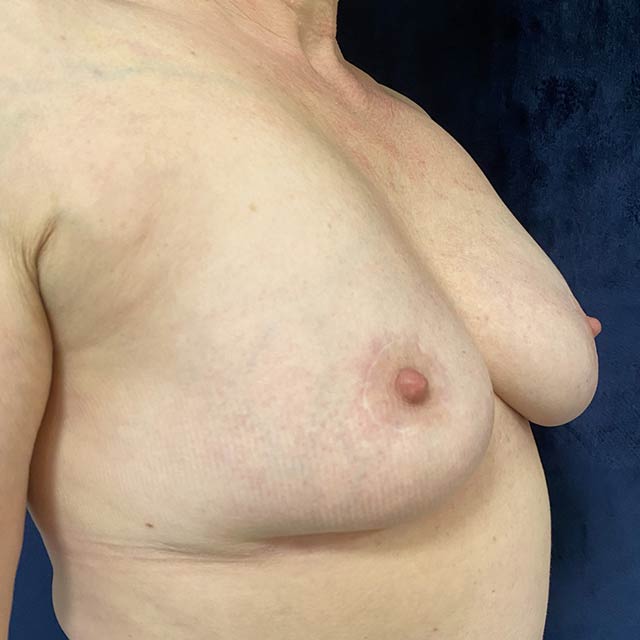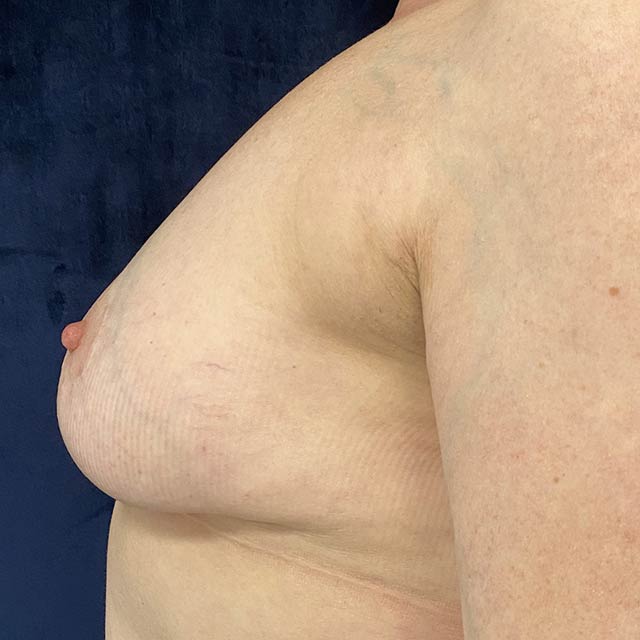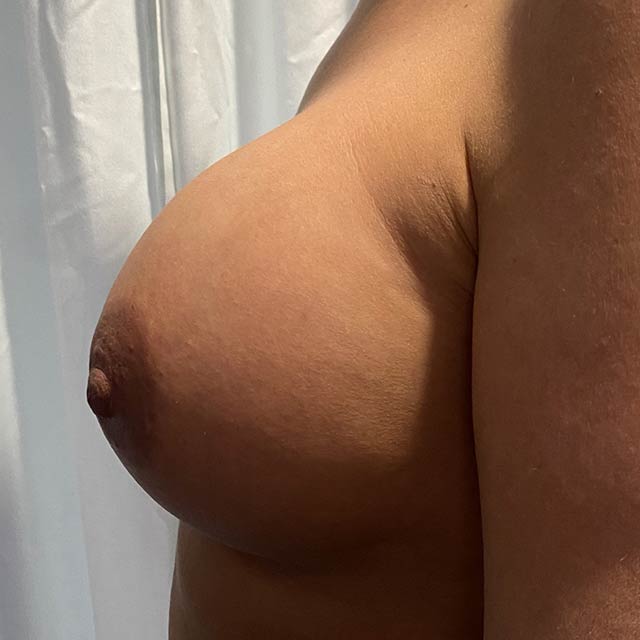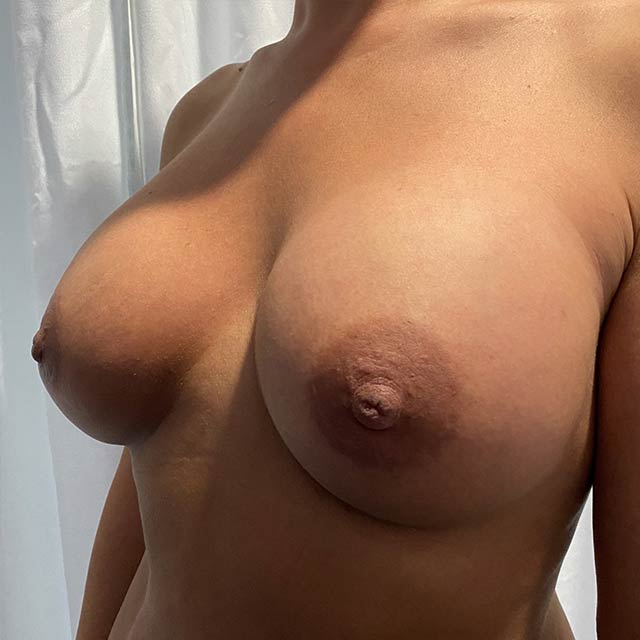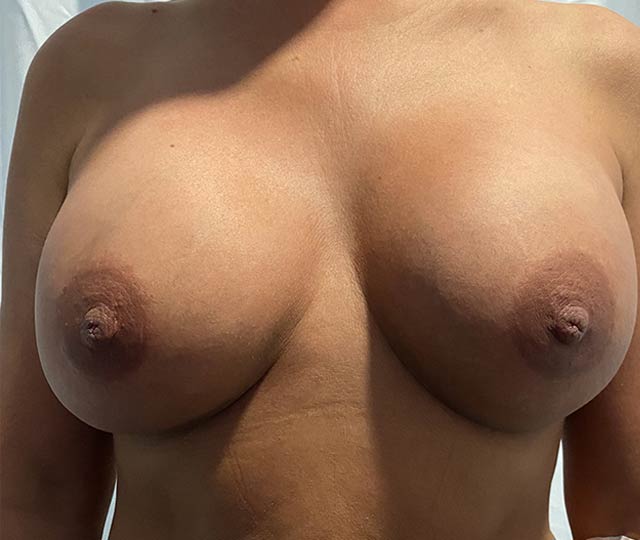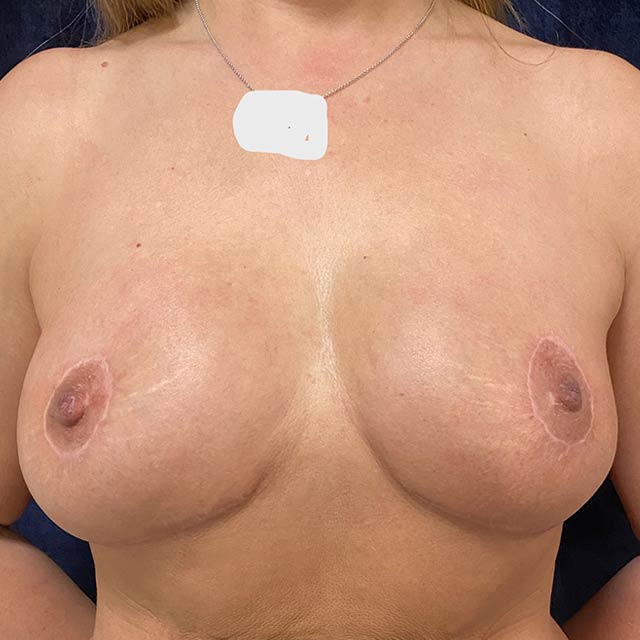






EXAMPLES OF BREAST IMPLANT REMOVAL
Breast implant removal – recent examples
The journey back to yourself: health and aesthetics after explantation.
For many women, the decision to have breast implants removed is linked to high hopes for physical recovery, but also to aesthetic concerns. The fear of suffering from a significant loss of volume or an unflattering breast shape after the operation holds many affected women back from taking this important step for a long time.
We would like to alleviate this fear for you.
In our practice, we view explantation not only as a medical necessity for the treatment of Breast Implant Illness (BII) or capsular fibrosis, but also always as an aesthetic reconstruction. Our experience shows that a healthy body image and a beautiful, natural breast shape are not mutually exclusive.
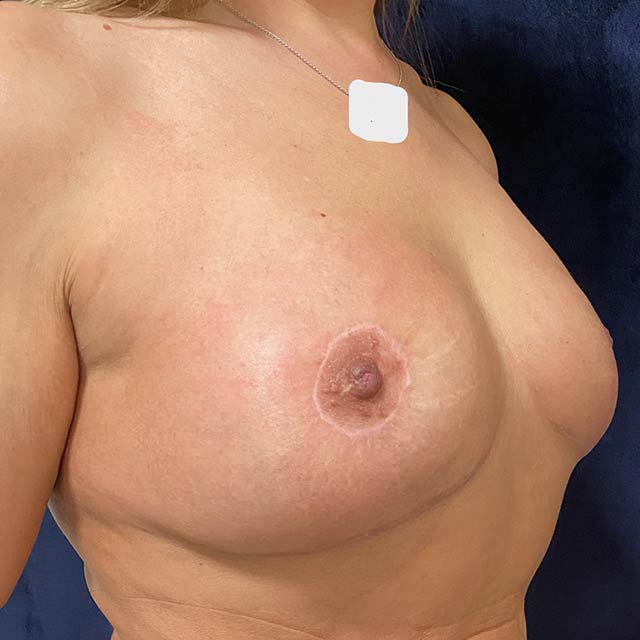
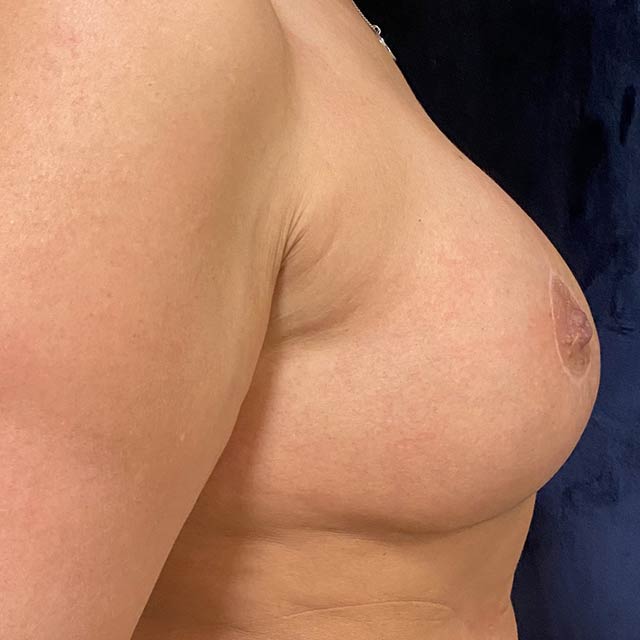
Using the following case studies, we would like to show you what modern surgical techniques such as en-bloc removal combined with glandular duplication (reshaping using your own tissue) or a lifting correction can achieve:
- Systemic healing: How chronic symptoms and pain often subside immediately after the procedure.
- Aesthetic confidence: How we restore a harmonious, feminine appearance through skilful reshaping of the patient’s own tissue – entirely without foreign materials.
Be inspired by the stories of our patients who found the courage to make a change and are now not only healthier but also happy with their reflection in the mirror once again.
Holistic recovery following en-bloc removal
Initial situation:
Four years after undergoing breast augmentation (360 cc), the patient was suffering from severe health complications. In addition to localised pain caused by bilateral capsular fibrosis (Baker III), she experienced systemic symptoms such as hair loss, panic attacks and chronic fatigue.
The procedure:
A total, complete en-bloc capsulotomy was performed. This involves removing the implant together with the surrounding tissue capsule as a single unit. Glandular duplication (reconstruction using the patient’s own tissue) was carried out to restore shape.
The result:
Shortly after the procedure, all systemic symptoms had subsided. The patient is now pain-free and has regained her full vitality.
Long-term relief through en-bloc capsulotomy
Initial situation:
Twelve years after undergoing breast augmentation with 260 cc implants, the patient reported a gradual deterioration in her health. In addition to painful local changes caused by bilateral capsular fibrosis (Baker grade III), complex systemic symptoms developed: Severe ‘brain fog’, difficulty concentrating, chronic fatigue, dry skin and a diagnosis of leaky gut syndrome had a massive impact on the patient’s daily life.
The procedure:
To ensure complete tissue restoration, a total, complete en-bloc capsulotomy was performed. In this procedure, the implants are removed as a single unit together with the intact surrounding tissue capsule to prevent any contact between capsule residues and the body. To restore the breast shape aesthetically without the use of foreign bodies, a glandular duplication (shaping using the patient’s own tissue) was performed at the same time.
The result:
The success of the treatment was immediately apparent. All systemic symptoms, including cognitive impairments and exhaustion, have been in decline ever since. The patient is now pain-free and enjoys a significantly improved quality of life and vitality.
Comprehensive reconstruction – en bloc resection with aesthetic contouring
Initial situation:
Eight years after undergoing breast augmentation (280 cc), the patient developed bilateral capsular contracture (Baker III). However, her symptoms were not limited to her breasts: in addition to chronic pain and severe fatigue, the patient suffered from neuropathic symptoms in both arms, which severely restricted her mobility and quality of life.
The procedure:
A total, complete en-bloc capsulotomy was performed, during which the implant was removed together with the intact capsule. To achieve an optimal aesthetic result following removal, the procedure was combined with a glandular duplication to promote the remodelling of the patient’s own tissue, as well as a periareolar lift. This combined approach enables a harmonious breast shape whilst avoiding the use of new foreign bodies.
The result:
The procedure resulted in a full recovery. It is particularly noteworthy that the neuropathic symptoms in her arms and her chronic fatigue have also completely subsided. The patient is now completely pain-free and has a natural, lifted appearance to her breasts.
Complex reconstruction – successful treatment of chronic inflammation
Initial situation:
Following an initial implant placement 16 years ago (280 cc), this patient underwent an implant replacement two years ago to 420 cc due to capsular fibrosis – but without removing the old tissue capsule. Subsequently, her condition deteriorated dramatically: in addition to recurrent bilateral capsular fibrosis (Baker III), the patient developed severe systemic inflammation. The clinical picture included soft tissue and joint rheumatism, fibromyalgia and treatment-resistant joint inflammation, accompanied by chronic fatigue and concentration difficulties.
The procedure:
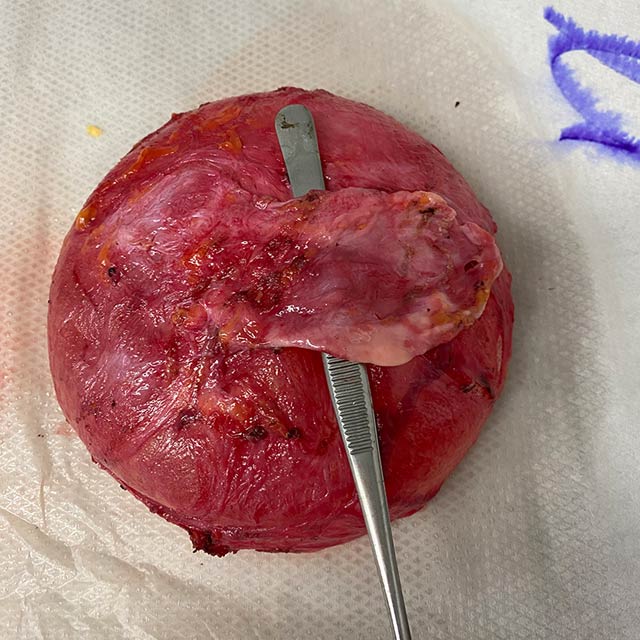
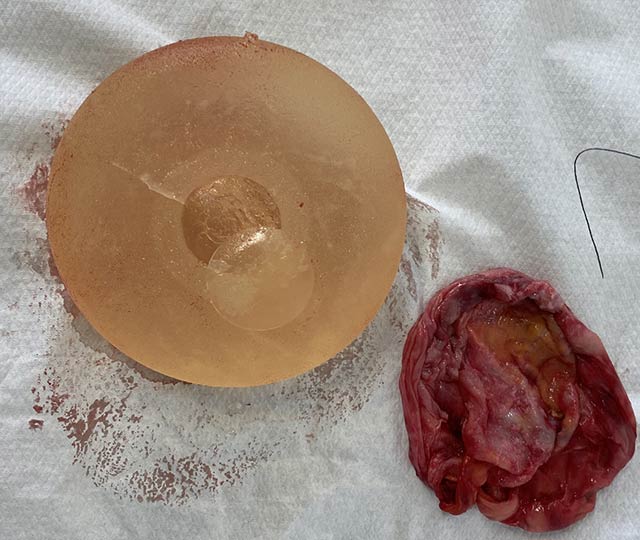
The surgical challenge lay not only in completely removing the current implants but also in fully clearing the massive remnants of the old capsules. A total, complete en-bloc capsulotomy was performed. The surgical specimen confirmed the findings: the old capsule was still fully present and firmly adhered to the tissue. For reconstruction, a glandular duplication was performed in combination with a periareolar lift to give the breast an aesthetic shape even without implants.
The result:
This case impressively demonstrates the importance of complete capsule removal: immediately following the procedure, all symptoms – particularly the progressive joint inflammation and rheumatic symptoms – had completely subsided. The patient is now pain-free and has regained her full physical capacity.
The preoperative image clearly shows the implanted capsule complex, to which the old tissue capsule, not yet broken down by the body, is still fully attached, underscoring the necessity of a total capsulotomy. zeigt deutlich das implantierte Kapsel-Ensemble, an dem die alte, nicht vom Körper abgebaute Gewebekapsel noch vollständig anhaftet und die Notwendigkeit einer totalen Kapsulektomie unterstreicht.
Emergency treatment for implant rupture and severe capsular contracture
Initial situation:
Just two years after her breast augmentation (340 cc), the patient was suffering from severe pain, which had become unbearable, particularly on the right side. She was diagnosed with advanced capsular contracture (Baker III on the left, Baker IV on the right). In addition to the local pain, systemic symptoms such as chronic fatigue and difficulty concentrating developed, which severely impaired the patient’s daily life.
The procedure:
During the operation, the suspicion was confirmed: the right implant had already ruptured. Through a precise, total en-bloc capsulotomy, the defective implant was safely removed along with the protective capsule, ensuring that no silicone entered the surrounding tissue. To achieve an aesthetically pleasing and stable result despite the removal, a glandular duplication and a periareolar lift were performed.
The result:
The decision to remove the implants completely provided immediate relief for the patient. All symptoms – both the local pain and the fatigue – have completely subsided. The patient is now pain-free and is enjoying her new body image without the burden of defective foreign bodies.
 EN
EN  DE
DE